
Check the whole handling area
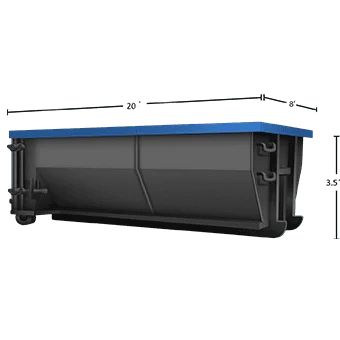
The final container footprint is only part of the space needed. Ask the provider to assess the vehicle approach, maneuvering room and overhead clearance for placing and collecting the container. Share photographs of trees, cables, gates or structures that could affect the operation.
Consider how people will load the container and whether a door or access point needs additional room. Keep that area outside a main pedestrian route and away from restroom entrances or service access.
Control the load
Confirm the accepted materials, fill limits and weight terms for the quoted container. Explain heavy debris before selecting a size. A partially filled container can still reach a weight limit, so visible free space is not a reliable guide by itself.
Give the loading instructions to everyone working on the project. Separate restricted items and ask about uncertain materials before they enter the load.
Plan an exchange and the final pickup
For continuing work, describe the likely loading pace and ask how exchanges are scheduled. Availability and timing need confirmation; a full container should not trigger an assumption of immediate replacement.
Keep the agreed approach clear until collection. Ask how a changed finish date, blocked access or an additional rental period affects the terms, and update the provider before the scheduled visit.
Questions before you book
How much overhead space is needed?
The provider must assess the actual equipment operation and site. Supply the overhead conditions rather than judging only by the parked container’s height.
Can I add more debris above the container edge?
Follow the provider’s stated fill and loading limits. Confirm the rules before loading and do not assume extra height is acceptable.