
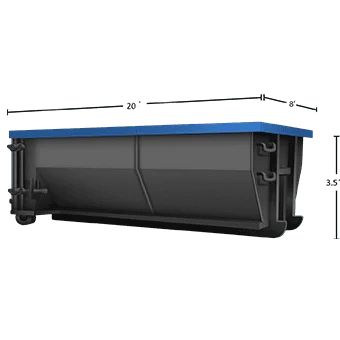
Identify the material stream
Tell the provider whether the load is a household cleanout, renovation debris, landscaping material or another waste stream. Estimate the amount and identify dense, unusual or potentially restricted items. Container volume alone does not determine whether a load is suitable.
Ask what can be accepted and whether any material needs to be separated. Keep uncertain items out until the provider confirms the disposal arrangement. Do not treat an empty space in the container as permission to add a prohibited or overweight load.
Choose an authorized position
Give the actual property and proposed placement area, including photographs of the vehicle approach and surface. Ask about room for delivery, loading and removal, and discuss any protection the owner requires for the surface.
If the position would occupy a street, sidewalk or other public area, confirm the relevant local permission before scheduling. Las Vegas mailing descriptions can cover different jurisdictions, so identify the authority for the actual address rather than applying one municipality’s process everywhere.
Request the complete terms
Confirm the container, period, accepted materials, weight allowance and pickup arrangement. Ask about overage, extensions and exchanges. If portable restrooms share the project, keep their user and service routes separate from waste loading and vehicle handling.
Questions before you book
Can every kind of debris go in one container?
No assumption should be made. Describe the materials and obtain the provider’s acceptance and separation instructions first.
Can a container stand in a public parking area?
Confirm authorization and location-specific requirements with the responsible property or public authority before delivery.